

Our Approach
Educational Resources for Gardeners
We're dedicated to making British gardening accessible to everyone. Whether you're starting your first raised bed or managing an established allotment, our guides break down complex techniques into manageable steps.
From RHS planting schedules to traditional cottage garden design, we've compiled practical knowledge that's worked in British gardens for generations. Our content isn't just theoretical — it's grounded in what actually grows well in UK climates and soil conditions.
Learn our story
Getting Started
How to Build Your Garden
A structured approach to setting up and maintaining productive growing spaces.
1
Plan Your Space
Assess your location for sunlight, drainage, and access. Measure your area and sketch a basic layout. Consider what you want to grow and how much space each crop needs. Think about water access and pathways.
2
Build Your Beds
Construct raised beds from untreated timber or composite materials. Standard dimensions work best — roughly 1.2m × 2.4m and 30-45cm deep. Level the ground, add a barrier to prevent weeds, then fill with quality soil and compost mix.
3
Plant Seasonally
Follow RHS planting guides matched to your UK region. Spring brings tender crops, summer extends growth, autumn prepares for winter varieties. Don't rush — timing makes the difference between thriving plants and struggling seedlings.
4
Maintain & Rotate
Water consistently, weed regularly, and monitor for pests. Practice crop rotation yearly to maintain soil health and prevent disease buildup. Mulch between plants to retain moisture and suppress weeds naturally.
The Growing Year
Seasonal Gardening Timeline
Key milestones for UK gardeners following the traditional growing calendar.
March
Spring Awakening
Sow early crops indoors. Prepare beds. Plant potatoes and onions. It's time to get the garden growing.
May
Planting Peak
Transplant seedlings outside. Sow beans, peas, and summer crops. Frost risk has passed — full steam ahead.
July
Summer Maintenance
Water regularly, deadhead flowers, harvest early crops. Succession sow for autumn vegetables.
September
Autumn Transition
Plant garlic and autumn vegetables. Harvest summer crops. Prepare beds for winter.
Popular Guides
Essential Reading
Start with these foundational guides for building and maintaining productive gardens.
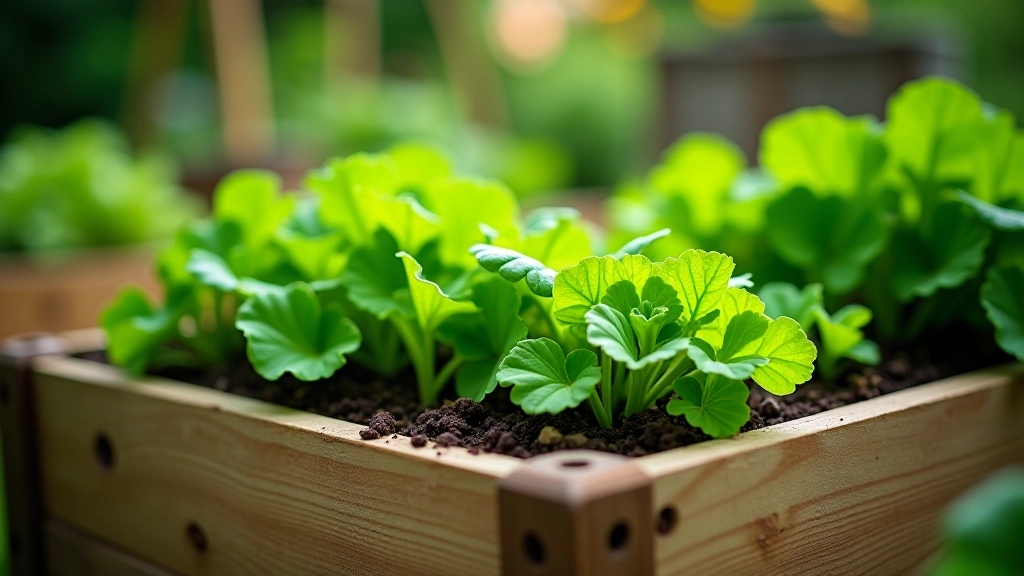
Building Your First Raised Bed
Step-by-step instructions for constructing a raised bed from timber, including soil depth, materials, and placement tips for success.
Read Guide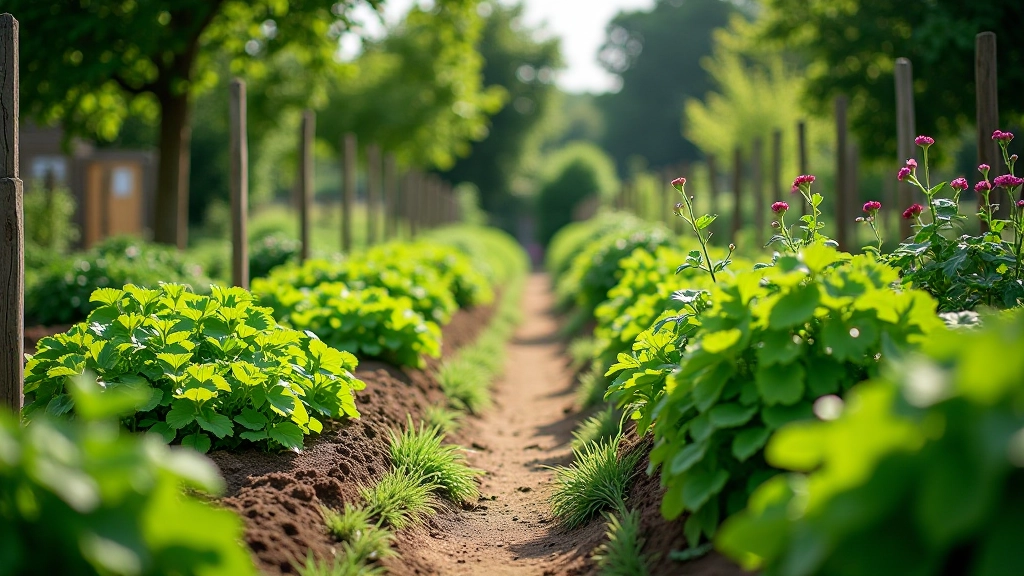
Allotment Plot Management Basics
Learn how to organize your allotment space, plan crop rotation, and maintain soil health throughout the growing season.
Read Guide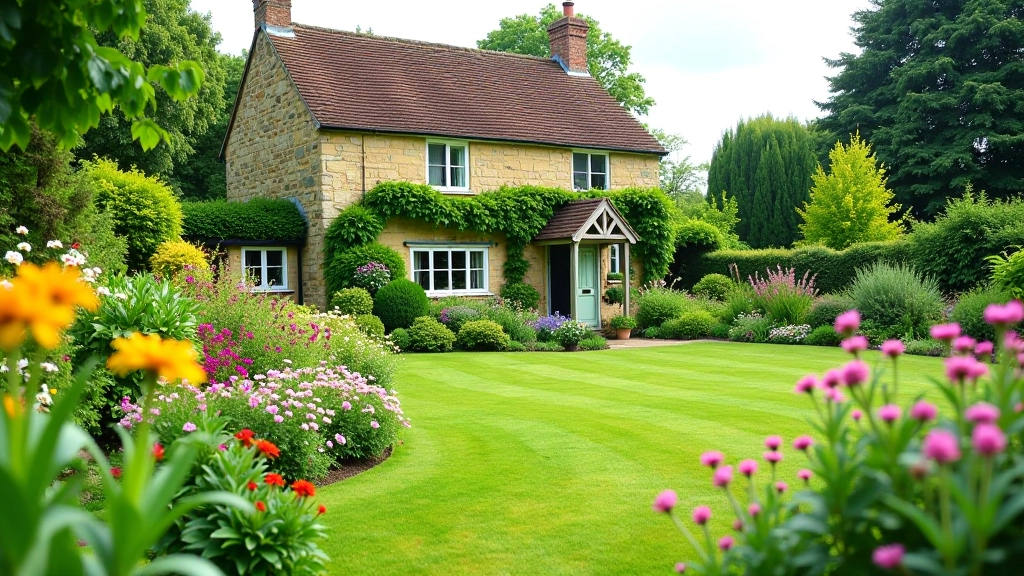
Cottage Garden Style: Creating the Look
Discover how to design and plant a romantic cottage garden using traditional varieties, layering, and colour combinations.
Read Guide
Common Questions
Frequently Asked
Answers to questions we hear often from gardeners starting out.
How deep should a raised bed be?
Most vegetables thrive in 30-45cm of soil depth. Root crops like carrots and parsnips benefit from deeper beds (45cm+), while leafy greens manage well in shallower ones (20cm). The sweet spot for mixed vegetables is 35-40cm — it's deep enough for most crops without requiring excessive soil.
What's the best time to start an allotment?
Spring (March to May) is ideal for starting your allotment. The soil warms up, frost risk decreases, and you've got the whole growing season ahead. That said, autumn (September to October) is brilliant for planting garlic and autumn vegetables. You can begin clearing and preparing a neglected plot anytime — just match your main planting to the seasons.
Do I need special soil for raised beds?
A mix of topsoil and compost works well. We'd recommend about 60% quality topsoil with 40% well-rotted compost or composted bark. Avoid pure compost alone — it's too rich and drains poorly. If you're on heavy clay, add some perlite or coarse sand to improve drainage. Many gardeners refresh their beds with fresh compost annually.
How do I prevent pests and diseases naturally?
Crop rotation is your best defence — it breaks pest cycles. Remove affected plants promptly, don't compost diseased material. Encourage beneficial insects with flowers and native plants. Netting protects brassicas from cabbage moths. For persistent pests, neem oil or insecticidal soap work without harsh chemicals. Healthy soil grows stronger plants that resist problems better.
Can I garden in containers if I don't have space?
Absolutely. Containers aren't just a compromise — they're genuinely productive. Use pots at least 30cm deep for most vegetables. Tomatoes, beans, courgettes, and leafy greens all do brilliantly in containers. They warm up faster in spring, you can move them for better light, and they're easier to manage. The trade-off is more frequent watering, but the flexibility is worth it.
Ready to Start Growing?
Get personalized guidance and connect with experienced gardeners. We're here to help you build the garden you've imagined.