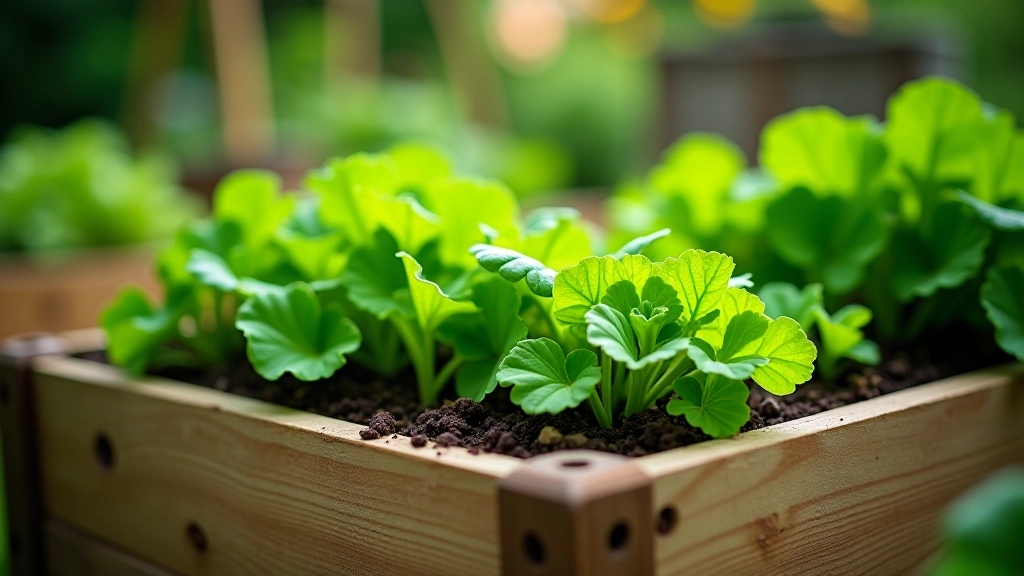
Building Your First Raised Bed
Step-by-step instructions for constructing a raised bed from timber, including soil preparation and initial planting setup.
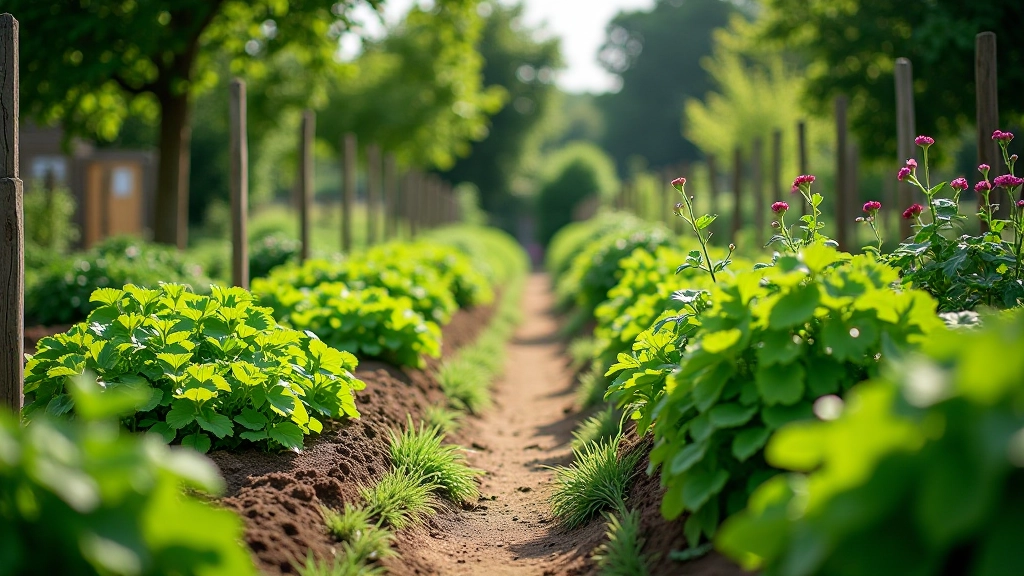
Learn how to organize your allotment space, plan crop rotation, and maintain soil health throughout the growing season.
Managing an allotment plot isn't just about planting seeds and hoping for the best. It's a combination of planning, organization, and understanding how your soil and plants work together. Whether you're starting your first year or you've been tending the same plot for a decade, there's always something new to learn about making the most of your space.
The key to a successful allotment is breaking it down into manageable sections and thinking about what you want to grow before the season starts. You'll need to consider sunlight, soil health, water access, and how you're going to rotate your crops. It sounds like a lot, but once you've got the basics in place, it becomes second nature.
Before you dig a single bed, you should map out exactly what you're working with. Walk your plot on a dry day and get a feel for how sunlight moves across it. Most vegetables need at least 6-8 hours of direct sun, so that'll determine where you place your greens and root vegetables.
Take measurements and sketch a rough layout on paper. You don't need anything fancy — just mark out where the shaded corners are, where water collects after rain, and where you've got the best soil. This simple map becomes invaluable when you're planning where to put your tomatoes, potatoes, and leafy greens.
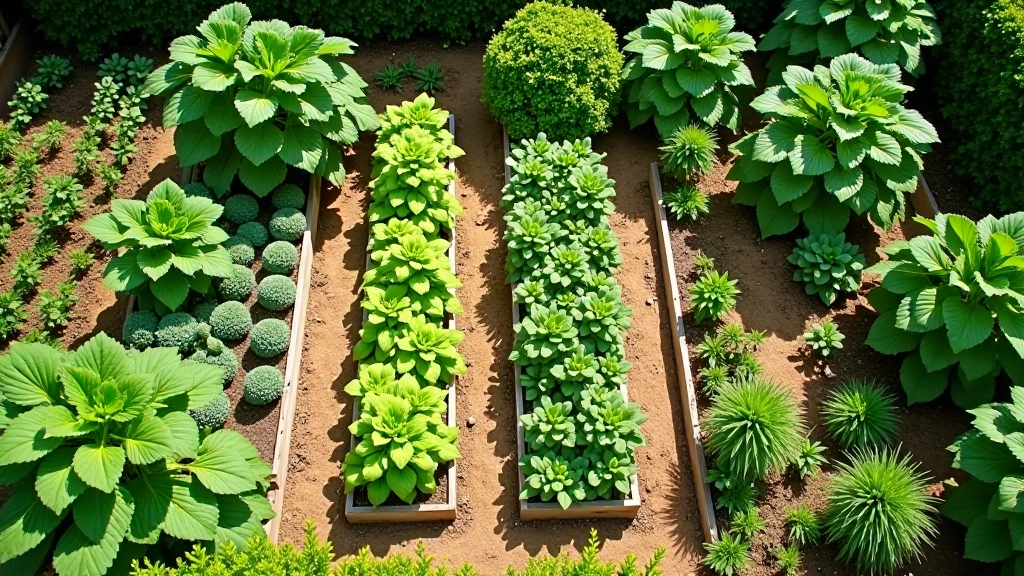

Crop rotation is probably the single most important thing you'll do for your allotment's long-term health. It's not complicated — you're basically moving different plant families to different beds each year so you're not depleting specific nutrients and inviting pests to take over.
The traditional four-year rotation groups plants by family: brassicas (cabbage, broccoli), legumes (beans, peas), root vegetables (potatoes, carrots), and others (tomatoes, onions, lettuce). You move each group to a new bed each season. After four years, they're back where they started, but by then the soil's recovered and any pest populations have died off.
Don't worry if you can't stick to it perfectly. Even a rough rotation is better than planting the same thing in the same spot year after year. You'll notice the difference in how your plants perform and how much less trouble you have with diseases.
Good soil is everything. You can have the best plan and the right location, but if your soil's compacted or lacking nutrients, you're fighting an uphill battle. Healthy soil should be dark, crumbly, and teeming with life — earthworms, beetles, microorganisms doing the work for you.
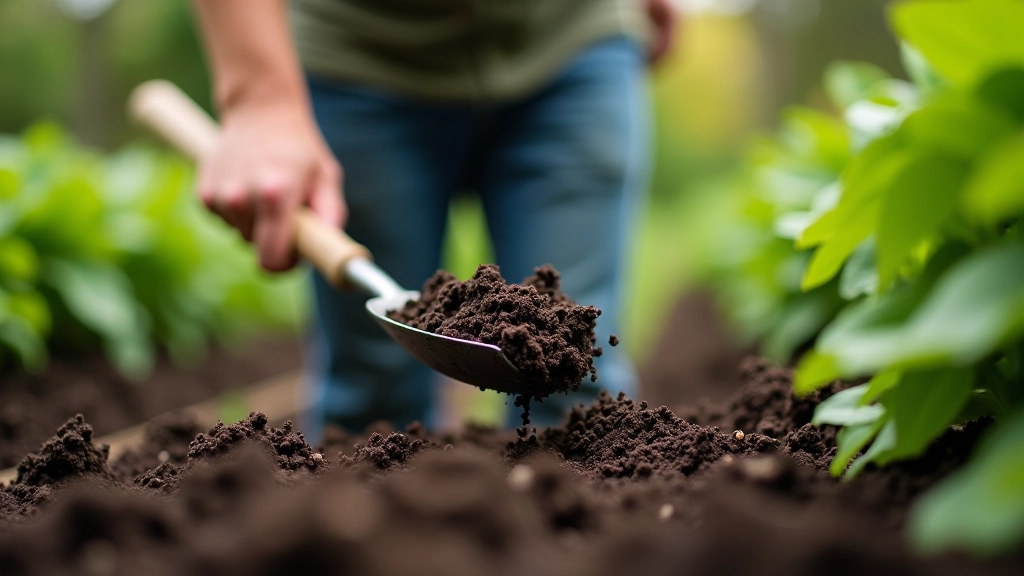
The easiest way to build soil health is adding organic matter regularly. Compost, aged manure, leaf mold — whatever you can get. We're talking about 5-10cm of compost dug into your beds each year. It feeds the soil organisms, improves structure, and helps with both drainage and water retention depending on what you've got.
Get a simple soil test done. You'll learn your pH and nutrient levels. Most UK gardens are slightly acidic, which is fine for most vegetables.
Aim for 5-10cm of compost or well-rotted manure each autumn. It breaks down over winter and feeds your beds come spring.
Don't walk on your beds once you've dug them. Use pathways instead. Compacted soil is hard for roots to penetrate and holds water poorly.
Your allotment's a living calendar. What you do in spring sets up success in summer. What you do in autumn determines whether you've got good soil for next year. It's all connected.
This is when things get going. Plant your early potatoes, broad beans, and peas. Get your beds ready with compost. It's busy but exciting. Don't plant tender crops like tomatoes until late May when frosts have finished.
You're harvesting and maintaining. Regular watering's crucial in dry spells. Support your tomatoes and beans. Deadhead flowers to keep plants productive. It's steady work, but you're getting real results now.
Plant your winter crops — garlic, onions, overwinter brassicas. Clear spent plants and add them to compost. Add that annual layer of compost to your beds. It's the setup season for next year.
The quiet season. You're not doing much active gardening, but it's when you can plan, make repairs, and let your soil rest. Still harvest your overwintering veg. This is actually when your soil organisms are most active.
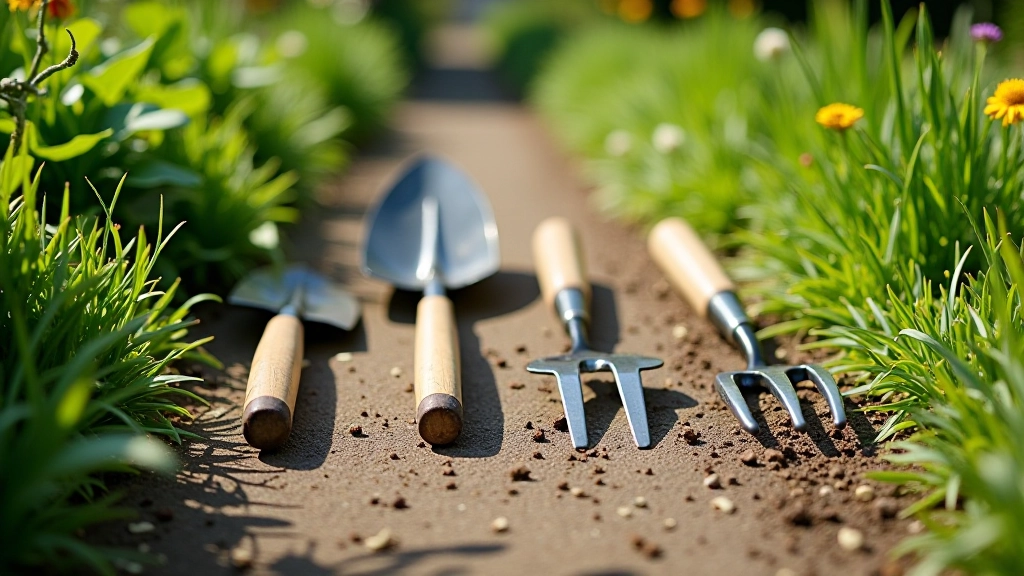
You don't need fancy equipment, but having the right tools makes everything easier. A good spade, a fork, and a hoe will get you through most jobs. A watering can or soaker hose saves time and water. A simple compost bin lets you recycle your garden waste instead of taking it to the tip.
Create a simple system for keeping track of what you've planted where and when. It doesn't have to be complicated — even a notebook works. Just write down what went in each bed and when. This becomes gold when you're planning next year's rotation.
Water management's critical, especially in summer. Most vegetables need about 2.5cm of water per week. A soaker hose delivers water straight to the roots where it's needed, rather than wasting it on leaves. Water early morning or late evening when it's cooler.
This article provides general gardening information and management principles for allotment plots. Growing conditions vary significantly by location, climate, and individual soil conditions. Always consult local gardening resources, RHS guidelines, and experienced local gardeners for advice specific to your region and plot. Success depends on observing your own garden and adjusting practices accordingly.
Managing an allotment plot is fundamentally about observation and adaptation. You'll make mistakes — everyone does — and that's fine. The soil teaches you what it needs if you're paying attention. A plant that's struggling tells you something's wrong, whether it's water, light, or nutrients.
Start with good soil, keep a simple rotation, stay organized with your space, and don't overthink it. Your allotment will reward consistent effort. In a few seasons, you'll have built something that practically runs itself because you've created the conditions for plants to thrive.