Building Your First Raised Bed
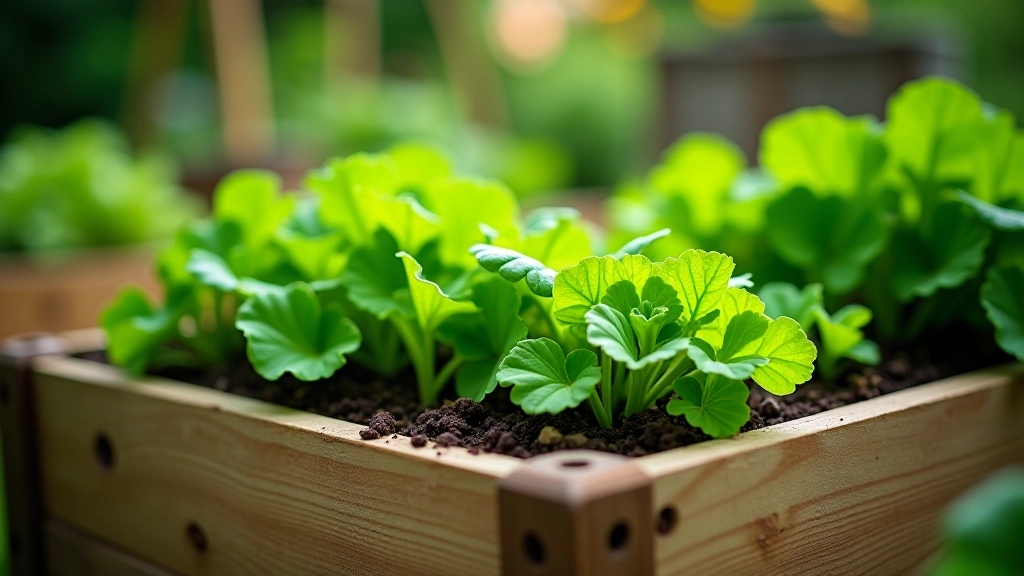
Step-by-step instructions for constructing a raised bed from timber, including soil preparation and plant selection.
Read Article
The Royal Horticultural Society's planting guides aren't just suggestions—they're the difference between a garden that thrives and one that struggles. These recommendations come from decades of careful observation across the UK's varied climates and soil types.
Whether you're working with heavy clay in Yorkshire or sandy soil in East Anglia, the RHS system helps you understand what'll actually grow in your specific location. You'll learn when to plant, how deep to go, and what spacing your vegetables and flowers need to flourish. It's like having a horticulturist in your pocket.
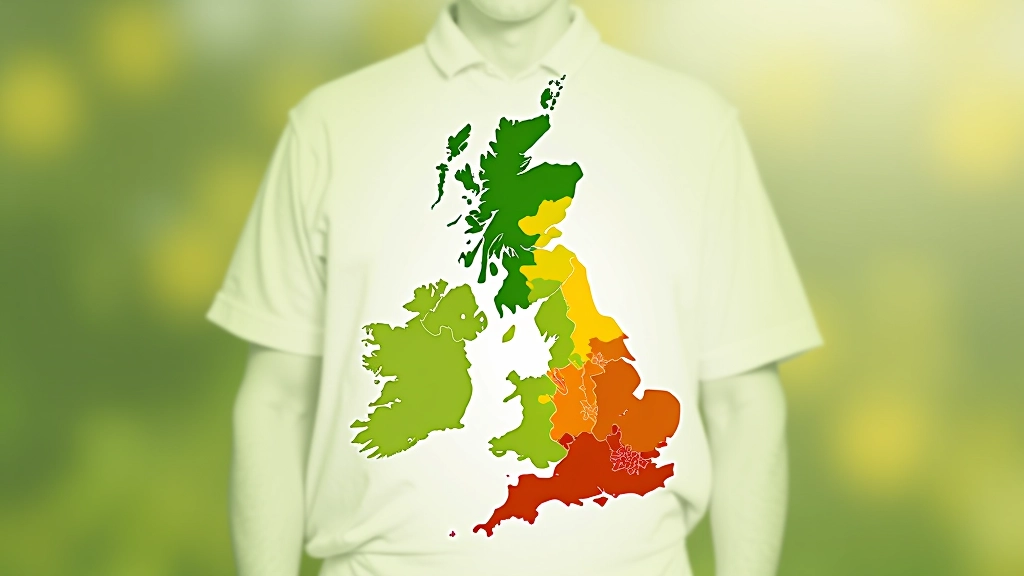
UK gardens span multiple climate zones. The RHS system helps you pick plants suited to your specific region.
Plant at the wrong time and you'll waste seeds. The RHS gives you exact windows for sowing and transplanting.
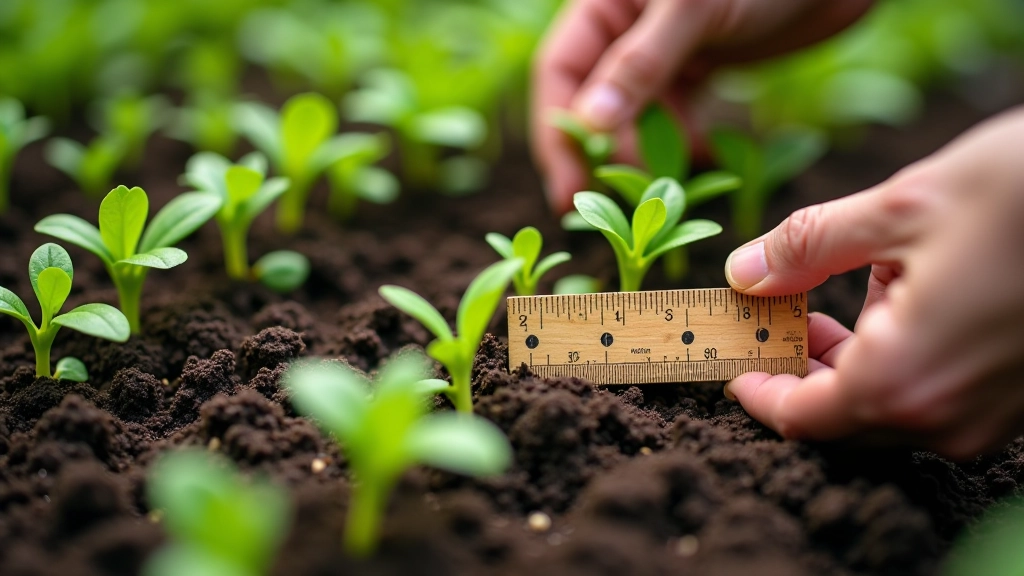
Overcrowded plants fail. We'll show you the precise measurements the RHS recommends for common crops.
The RHS divides the UK into hardiness zones based on average minimum winter temperatures. Zone H1 covers the warmest areas (mainly the Isles of Scilly and southern coastal regions), while Zone H7 represents the coldest areas in the Scottish Highlands. Most of England and Wales falls into zones H4–H5, meaning minimum winter temperatures range from -5°C to -10°C.
Why does this matter? A Mediterranean plant rated H3 might survive outdoors in Cornwall but won't make it through a Pennines winter. The RHS hardiness rating tells you exactly where a plant can be grown permanently outdoors. You'll see these ratings on plant labels and in their detailed guides—look for the H number and match it to your zone.
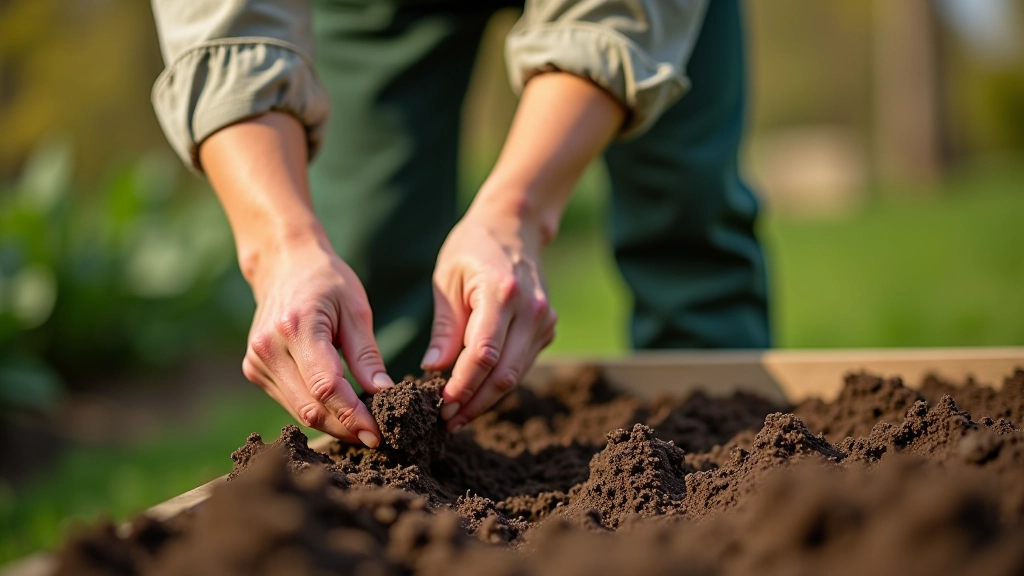
Timing is everything in gardening. Plant too early and frost kills your seedlings. Wait too long and you'll miss the growing season. The RHS provides detailed sowing and planting dates that work across the UK's regions.
Spring (March–May) is your busiest period. This is when you'll sow hardy vegetables like broad beans and peas directly outdoors, start tender plants like courgettes and beans indoors for later transplanting, and harden off seedlings grown on windowsills. By mid-May, the frost danger has passed in most areas, so tender plants can go outside permanently.
Summer (June–August) shifts to maintenance. You're watering, feeding, and harvesting rather than planting. But you can still sow second crops of lettuce and beans in early summer for autumn harvest. Autumn brings the second planting push—now you're sowing winter brassicas, autumn onions, and garlic. Winter (November–February) is quieter, but it's when you prepare beds, add compost, and plan next year's crops.
Direct sow peas, broad beans. Start tender plants indoors. Transplant after last frost.
Water and feed. Sow second crops. Begin harvesting. Enjoy the results.
Sow winter crops. Plant garlic and onions. Tidy summer growth. Harvest heavily.
Getting spacing right is one of the most overlooked details in vegetable gardening. Crowded plants compete for water, nutrients, and light—they're smaller, less productive, and more prone to disease. The RHS has worked out exact spacing for hundreds of plants through years of trials.
Tomatoes need 45–60 cm between plants in rows that are 60 cm apart. Courgettes want 60 cm spacing because they grow wide and bushy. Lettuce can squeeze into 30 cm spacing. Root vegetables like carrots are sown thickly, then thinned—first thinning when seedlings have two true leaves (2–3 cm apart), second thinning at 7–10 cm once you can eat the baby roots.
Seed depth matters just as much. Small seeds like lettuce and carrot go 0.5–1 cm deep. Medium seeds like bean go 2–3 cm deep. Large seeds like pea go 3–4 cm deep. A good rule: plant seeds to a depth of about twice their width. Too shallow and they dry out; too deep and the seedling can't push through.
| Lettuce | 30 cm apart, 1 cm deep |
| Carrot | Sow thickly, thin to 7–10 cm, 1 cm deep |
| Tomato | 45–60 cm apart, start indoors 0.5 cm deep |
| Broad Bean | 20 cm apart, 4 cm deep |
You don't need fancy equipment, but a few simple tools make it easier to plant accurately and on schedule.
Online database with hardiness ratings, spacing, sowing dates, and growing tips for over 70,000 plants. It's free and searchable by name, hardiness zone, or requirements.
Simple pointed stick or tool for making holes at the right depth. Wooden dibbers are traditional and cheap. They take the guesswork out of planting depth.
A 5-metre tape measure lets you measure spacing accurately. Mark rows with string pulled tight between two stakes, then plant at exact intervals.
Keep a notebook or use apps like Garden Planner to record when you sowed, transplanted, and harvested. Next year you'll know exactly what worked.
This guide provides educational information based on RHS recommendations and general gardening principles. Growing conditions vary significantly by location, soil type, weather, and individual garden conditions. The timing, spacing, and hardiness information presented here are guidelines, not guarantees. We recommend consulting the official RHS website or contacting your local RHS garden centre for specific advice tailored to your exact location and growing situation. Always refer to seed packets and plant labels for the most current information from seed suppliers.
The RHS planting guides might seem overwhelming at first—all those zones, dates, and measurements. But they're really just the collective experience of generations of gardeners, written down so you don't have to learn everything through trial and error.
Start simple. Pick your hardiness zone (check the RHS website if you're unsure). Choose a few vegetables you actually want to eat. Look up their spacing and sowing dates. Then follow the guidelines. You'll be amazed at the difference it makes. A properly spaced, correctly timed crop will outperform a crowded, badly timed one every time. That's not luck—that's horticulture.
Next year, you'll be the one giving advice to other gardeners, knowing exactly why your vegetables thrived while theirs struggled. That's the real benefit of understanding these guidelines—not just growing food, but understanding why it works.