Cottage Garden Style: Creating the Look
Master the art of designing a romantic, abundant garden with layered planting, traditional varieties, and timeless colour combinations that feel effortlessly beautiful.
What Makes a Cottage Garden Special
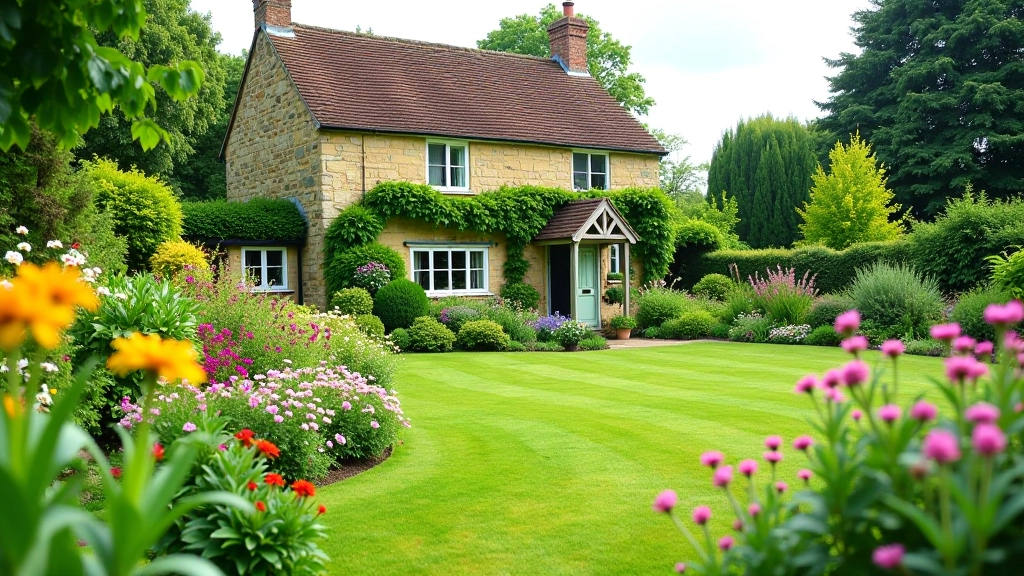
A cottage garden isn't about rigid design rules or manicured perfection. It's about abundance, romance, and plants that seem to have naturally found their way into your garden over years. The style combines practical growing spaces with ornamental planting—vegetables neighbour roses, herbs edge pathways, and everything feels lived-in and welcoming.
You'll notice that cottage gardens look different from house to house. That's the beauty of the style. There's no single "right way" to do it. What matters is creating layers of texture, colour, and scent that draw people in. It's less about having the perfect garden and more about having a garden that feels like home.
Building Your Planting Structure
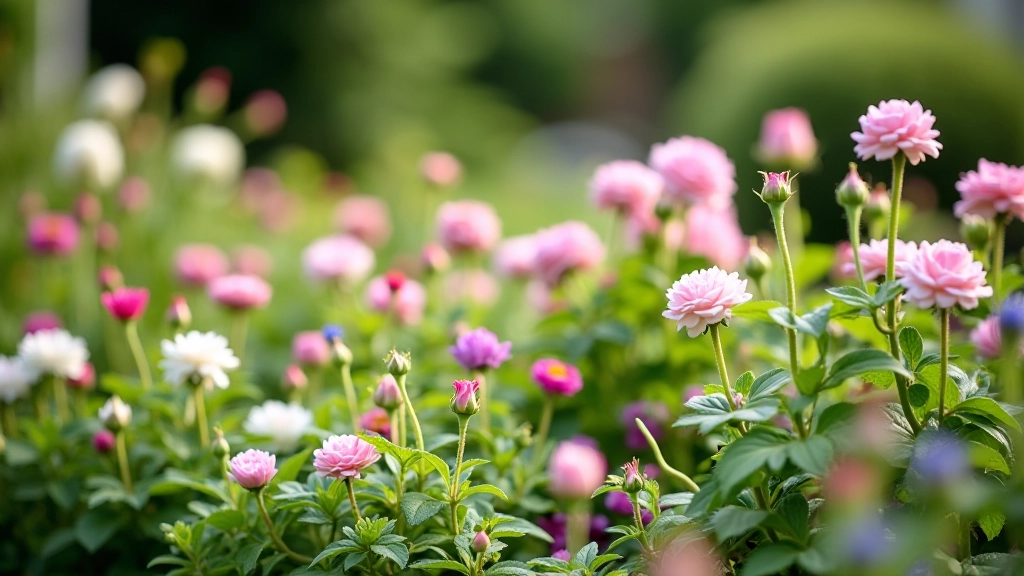
The foundation of any cottage garden is layering. You're not just placing individual plants—you're creating a composition with different heights, textures, and flowering times. Start with a backbone of shrubs and small trees that give your garden structure year-round. These might include lilac, hawthorn, or viburnum.
Next come the mid-level perennials and flowering shrubs. Think delphiniums, foxgloves, roses, and peonies. These are the stars of a cottage garden, flowering for weeks and giving you generous blooms. Finally, edge your beds with lower-growing plants—catmint, lady's mantle, and thyme work beautifully. This three-tier approach means you've always got interest, even as individual plants finish flowering.
Don't worry about spacing perfectly. Cottage gardens are forgiving. If you leave a bit more room than recommended, you can add trailing plants or self-seeding annuals. Plants will naturalize over time, and you'll adjust as needed. It's more flexible than formal planting schemes.
Choosing Colours That Work
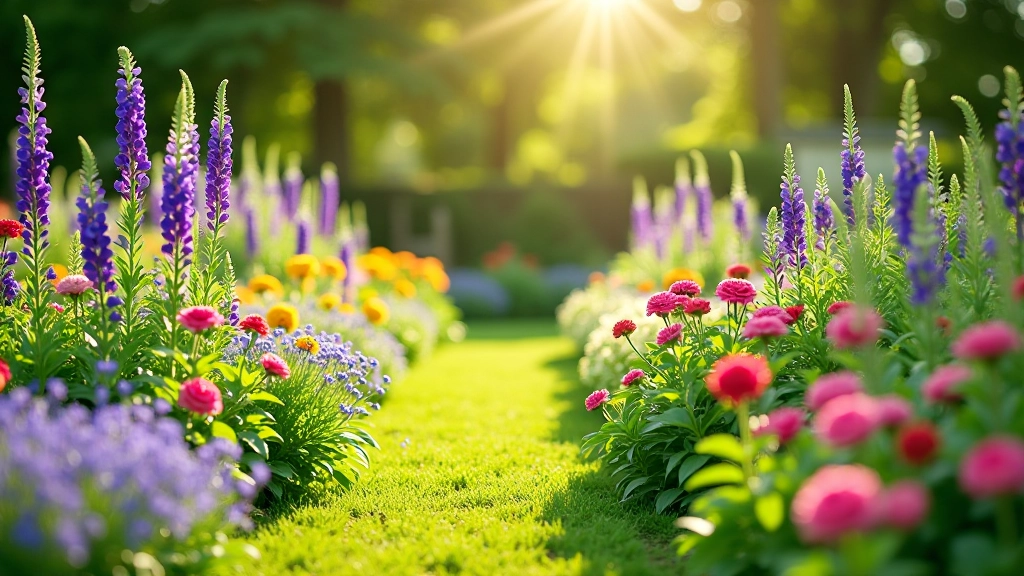
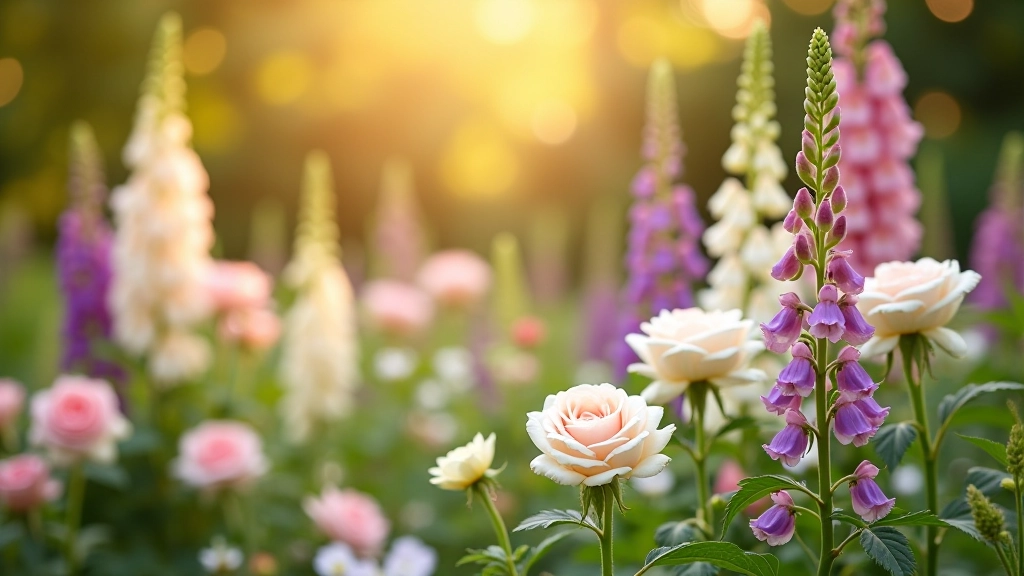
Traditional cottage gardens favour softer colour palettes. Pinks, purples, blues, creams, and whites create that romantic, timeless feel. It's not that you can't use bold colours—you absolutely can—but the classic approach relies on gentle tones that complement each other naturally.
Consider planting in drifts rather than single specimens. Three or five plants of the same variety grouped together create impact. If you're using Delphinium 'Black-eyed Susan' (a soft pink), surround it with cream foxgloves and white campanulas. The soft tones let each flower shine without clashing.
Foliage colours matter too. Grey-leaved plants like artemisia and santolina soften transitions between flower colours. Dark foliage from heuchera or ajuga adds depth. Green itself becomes part of your colour scheme. Many experienced cottage gardeners spend as much time thinking about leaf texture and colour as they do about blooms.
Creating Pathways and Structure
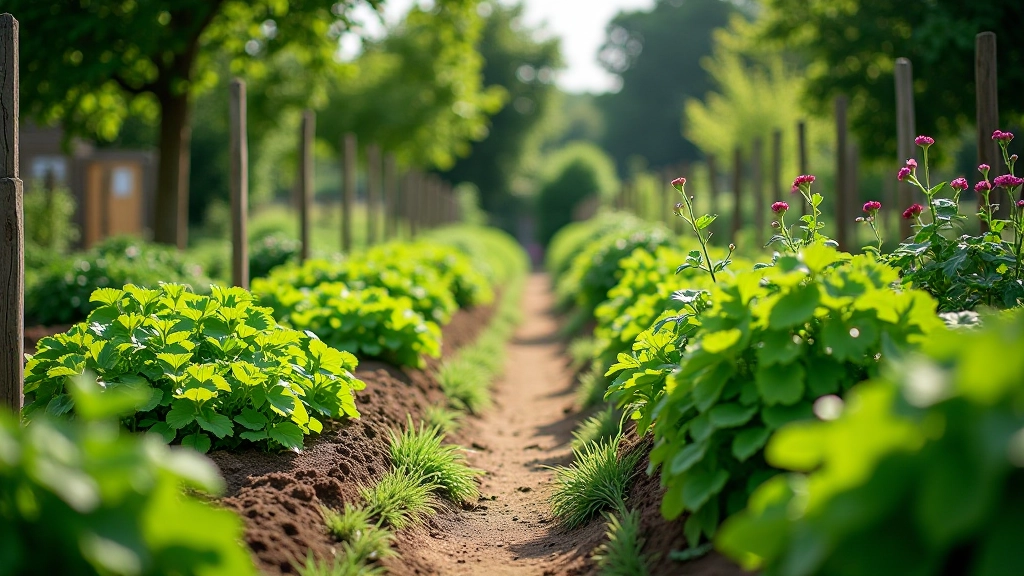
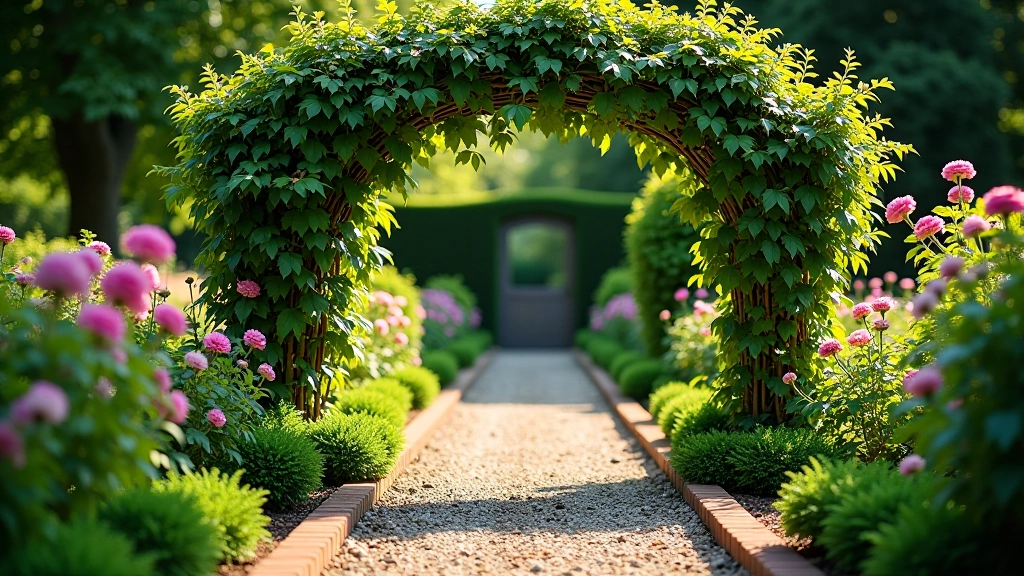
A cottage garden feels inviting when there's a clear way to move through it. Simple gravel or brick pathways work brilliantly. Don't overthink this—straight or gently curving paths both suit the style. The path becomes a frame for your planting, and it encourages visitors to slow down and enjoy the garden.
Edges matter more than you might think. A clean edge between path and border keeps things tidy, even when plants are overflowing. You can use metal edging, brick, or simply maintain a clear line with your spade. Traditional cottage gardens often feature low hedging—box, privet, or hawthorn—which provides structure and can be clipped gently to shape.
Vertical elements add drama. Climbing roses over an archway, clematis on a fence, or tall plants at the back of borders draw the eye upward. This creates a sense of enclosure and makes your garden feel larger and more interesting.
Essential Plants for Cottage Garden Style
Certain plants have been cottage garden staples for generations. They're reliable, generous with flowers, and they genuinely look the part. These aren't exotic or difficult plants—they're tried-and-tested varieties that work across most UK growing conditions.
Roses
Shrub roses and old-fashioned varieties like 'Constance', 'Felicia', and 'Lady of Shalott' flower repeatedly through summer. They're fragrant, full of petals, and genuinely cottage garden in feel.
Delphiniums
Tall, stately flowers in blues and purples. They need staking but they're worth it. The colour is unbeatable and they create real height in borders.
Foxgloves
Biennial or short-lived perennials that self-seed freely. They thrive in part shade and bring vertical interest with their towering spires of spotted flowers.
Catmint (Nepeta)
Long-flowering, drought-tolerant, and absolutely covered in small blue-purple flowers. Perfect for edging. It's reliable, unfussy, and beloved by bees.
Lavender
Aromatic, long-flowering, and attracts pollinators. Choose varieties suited to your climate. Deadhead after flowering to encourage more blooms.
Peonies
Long-lived perennials with full, generous flowers. They bloom once yearly but reliably and need minimal care. 'Sarah Bernhardt' and 'Coral Charm' are classics.

Getting Started: Practical Advice
Start small. A 2-metre border with good planting is more impressive than a large area that's sparsely planted. You can always expand next year. Prepare your soil properly before planting—cottage gardens are hungry plants. Work in plenty of compost or well-rotted manure. Good soil means plants establish quickly and flower generously.
Plant in spring or autumn when soil is moist. Space plants according to their mature size, but don't panic if they seem far apart initially. Most cottage garden plants grow quickly. Within two seasons, your border will look established. In year three, you might even need to divide some perennials because they've become so vigorous.
Deadheading keeps plants flowering longer. Remove spent flowers regularly, especially on roses and delphiniums. Some plants like catmint respond brilliantly to cutting back hard in midsummer—they'll flower again by autumn. It's worth experimenting to see what your plants can do.
Important Information
This article provides educational information about cottage garden design and planting principles. While we've aimed for accuracy, gardening success depends on many factors including local climate, soil conditions, and specific plant varieties available in your region. We recommend consulting the RHS (Royal Horticultural Society) guides and local gardening experts for advice specific to your location. Plant hardiness varies by UK zone—check plant labels and RHS hardiness ratings before purchasing. Always follow label instructions when using any garden products or treatments.
Your Cottage Garden Journey Begins
Creating a cottage garden doesn't require years of experience or vast resources. It requires curiosity, a willingness to experiment, and patience. Start with the plants that appeal to you, plant them well, and observe how they perform. After your first season, you'll understand your garden better. You'll see where you want more colour, where you need taller plants, where something unexpected self-seeded and surprised you.
The magic of cottage gardens is that they evolve. They're never finished. There's always room for one more plant, another colour combination to try, a new variety someone's recommended. That's not a limitation—it's the joy of it. Your garden becomes an ongoing conversation between you and nature, shaped by your preferences and the plants' natural tendencies. That's what makes a cottage garden genuinely beautiful.

Explore More Garden Guides